
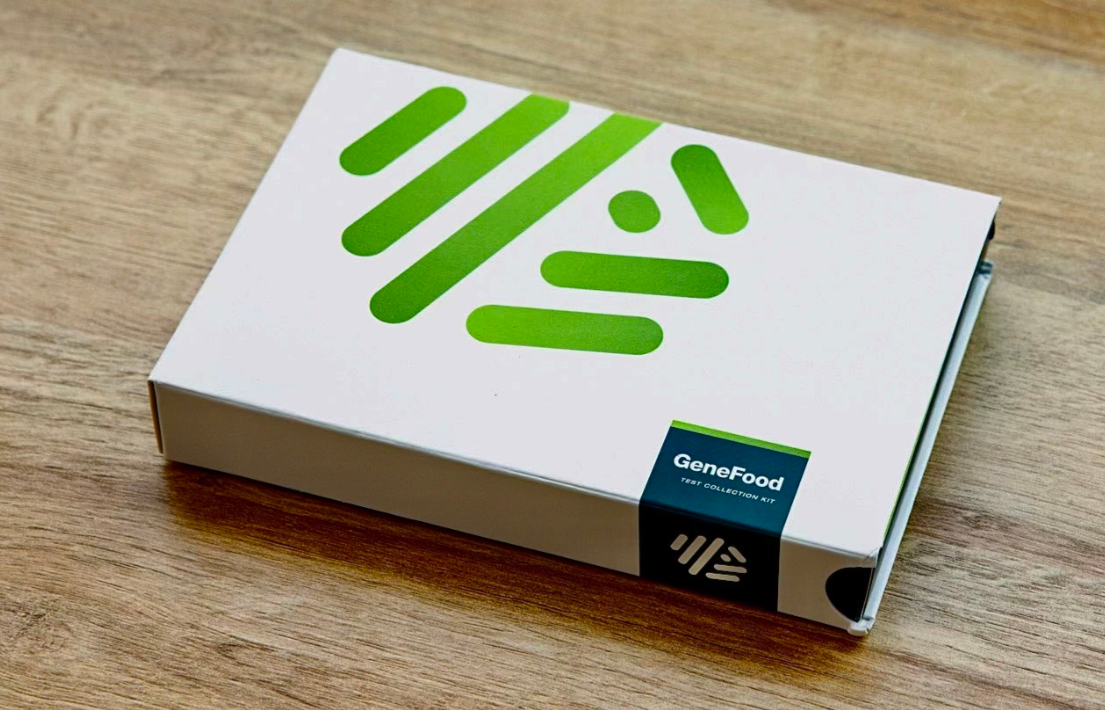



DNA Test for Personalized Health & Nutrition
The original. Since 2018. 300+ genetic variants behind your diet type, supplement guidance, methylation, and a full library of health reports. Choose the reports that fit you. FSA/HSA accepted.
How it works
- Order your kitArrives in 3–5 business days. Free shipping both ways.
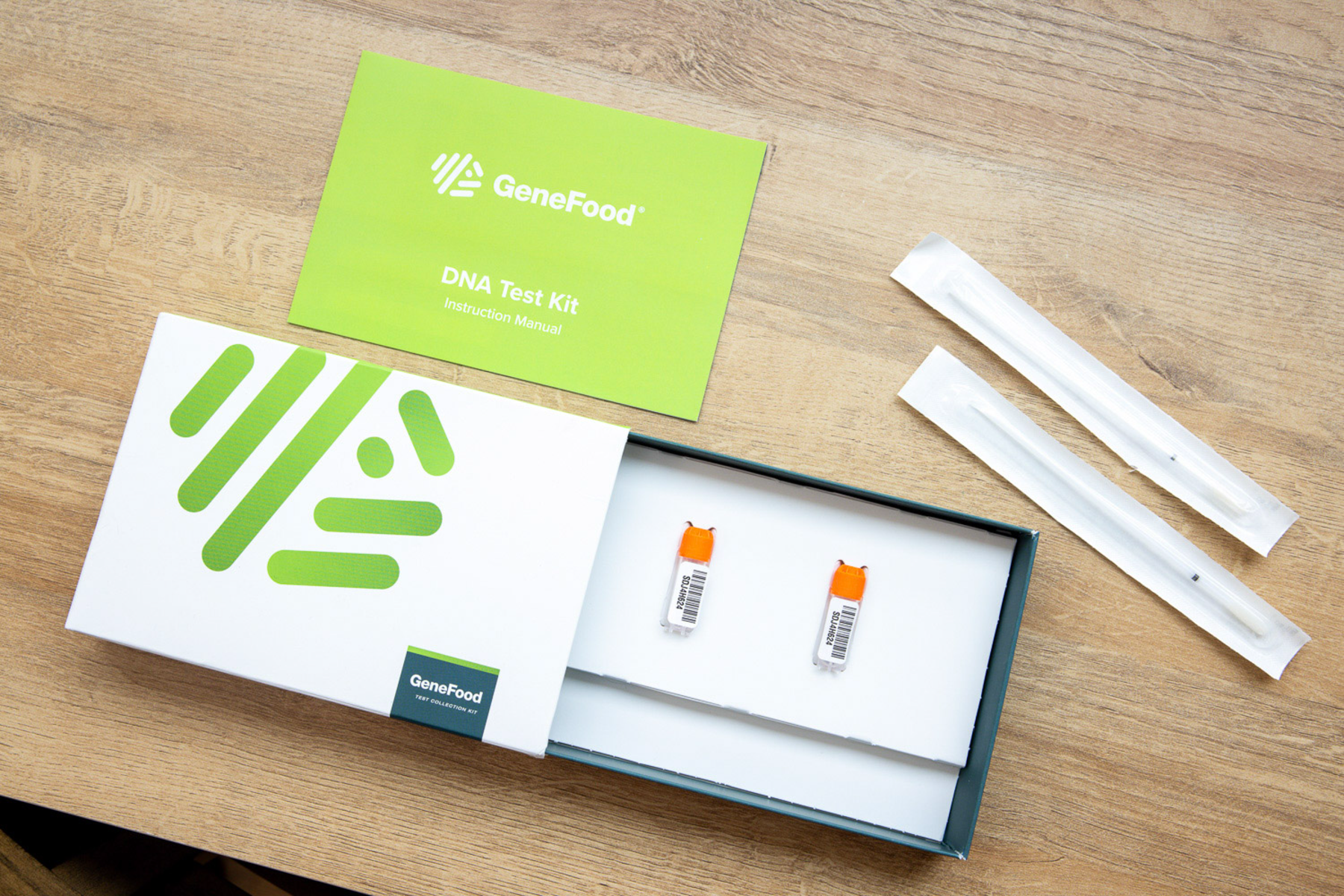
- Swab your cheekTwo minutes. No blood, no needles. Mail it back in the prepaid envelope.
- Get your personalized health planReady in 3–5 weeks. We email you when they’re in.
One test. Results you'll use for decades
- CLIA-certified US lab
- FSA/HSA eligible
- Data never sold
- DNA kit: one-time purchase
Satisfied customers
“Gene Food completely changed the way I approach nutrition. Meal plan is easy to follow, results were ready in 15 minutes, and I no longer crave sweets.”
“I’ve tried several other companies, including InsiderTracker and DNAfit; if your primary concern is diet then I would absolutely recommend Gene Food as the best of the bunch.”
“My endurance took off. My endurance just shot through the roof. My Gene Food diet has been a game changer for my ultra-marathon running career”
“I’ve tried several other companies, including InsiderTracker and DNAfit; if your primary concern is diet then I would absolutely recommend Gene Food as the best of the bunch.”
“Acquiring a custom nutrition plan from Gene Food was the single best health decision of my adult life. I frequent the Gene Food blog & the Gene Food podcast. John O’Connor and Dr.”
One test. A lifetime of health insights.
Advanced heart healthWhere genetic context changes which lipid work you order and which dietary levers matter.
- APOEApoE genotype and what it implies for saturated fat and dietary cholesterol response.
- Lipoprotein(a)MBA genetic score flagging users to prioritize for serum Lp(a) measurement.
- LipoproteinsMBParticle-level tendencies behind LDL-P and ApoB, scored polygenically.
- Cholesterol AbsorptionMBWhether a user may absorb dietary cholesterol efficiently, and who warrants a sterol panel.
- Coronary Artery DiseaseMBPolygenic risk context for CAD across replicated GWAS variants.
- High Blood PressureMBGenetic tendency toward hypertension, including sodium sensitivity.
- Heart Rate Variability (HRV)MBGenetic contribution to autonomic tone, useful when reading wearable HRV data.
- Aspirin & Heart HealthMBVariants associated with aspirin response in primary prevention.
- Saturated FatHow strongly a user’s lipids are likely to respond to saturated fat intake.
Metabolism, sensitivities, weightThe diet type sits here, alongside the tolerance reports that shape what a user can actually eat.
- Diet TypeOne of 20 diet types with macronutrient targets, built from six scored systems.
- CarbohydratesCarbohydrate clearance and glycemic response tendency.
- Dietary Fat ScoreTotal fat tolerance, and the split between saturated and unsaturated sources.
- Keto ScoreA combined read on whether a low-carbohydrate approach suits this genotype.
- Ability to Achieve KetosisMBWhether a ketogenic approach is metabolically plausible for this user.
- Uric AcidMBGenetic tendency toward elevated uric acid and its dietary triggers.
- Urea – Protein MetabolismMBHow efficiently a user clears nitrogen, relevant to high-protein diets.
- Testosterone LevelsMBGenetic contribution to circulating testosterone, read alongside serum values.
- Gluten IntoleranceCeliac risk haplotypes (HLA-DQ2/DQ8) and non-celiac gluten sensitivity markers.
- Lactose IntoleranceLactase persistence genotype, which drives whether dairy works as a staple.
- HistamineHistamine clearance capacity, relevant to aged, fermented, and leftover food.
- Sulfur ToleranceSulfur processing, relevant to cruciferous vegetables, garlic, and eggs.
- Alcohol MetabolismADH and ALDH variants behind flushing and alcohol clearance rate.
- Caffeine MetabolismCYP1A2 clearance rate, and the cardiovascular context that goes with it.
- Caffeine Induced Anxiety & Sleep LossAdenosine receptor variants behind caffeine-related anxiety and disrupted sleep.
Methylation and micronutrientsMethylation scored as a pathway rather than a single MTHFR call.
- MethylationMBThe full pathway scored together: MTHFR, MTR, MTRR, CBS, and folate transport.
- MTHFR & Folic Acid MetabolismMBEnzyme function as a percentage, not a broken-gene verdict.
- Choline DeficiencyMBCholine requirement, relevant to hepatic fat and to pregnancy.
- Vitamin B12Absorption and transport tendencies, and which form of B12 suits this user.
- Vitamin B6B6 requirement and conversion efficiency.
- Vitamin B2Riboflavin need, which modifies the effect of MTHFR variants.
- Vitamin DBaseline vitamin D tendency and likely response to supplementation.
- Vitamin A BiosynthesisMBBeta-carotene to retinol conversion efficiency, and who needs preformed vitamin A.
- IronIron loading and depletion tendencies, including hemochromatosis variants.
- MagnesiumMagnesium status tendency and dietary sources that suit this user.
- Restless Leg & MagnesiumMBVariants linking magnesium status to restless leg symptoms.
- Zinc DeficiencyMBZinc transport and the intake level likely needed to maintain status.
- SodiumSalt sensitivity and its bearing on blood pressure management.
Detox, longevity, environmentChronotype, longevity markers, and the Environment add-on pathway reports.
- Sleep ChronotypeMBGenetic morningness or eveningness, useful for meal and medication timing.
- General Sleep QualityMBPolygenic sleep quality, read alongside reported sleep and wearable data.
- Susceptibility to InsomniaMBPolygenic insomnia risk and the lifestyle levers that matter most.
- Brain Health (KLOTHO-VS)MBKLOTHO-VS heterozygosity and what the cognition research shows.
- Telomere LengthMBGenetically predicted telomere length, with its interpretive limits stated.
- Gut HealthMBVariants associated with barrier function and microbiome composition.
- Exercise: Burst vs. EnduranceMBFiber-type and recovery variants that shape training prescription.
- Worrier vs. WarriorMBCOMT activity and how a user processes catecholamines under stress.
- CannabisMBVariants affecting cannabinoid metabolism and sensitivity.
- NSAIDMBVariants relevant to NSAID clearance and gastrointestinal risk.
- ArthritisGenetic contribution to osteoarthritis and inflammatory joint disease.
- Cellular MethylationENVMethylation capacity read specifically for environmental exposure load.
- Glutathione & Detox PathwaysENVGST and related variants behind phase II detoxification capacity.
- Oxidative DefenseENVSOD and catalase variants behind antioxidant capacity.
- Lipid PeroxidationENVSusceptibility to oxidative damage of circulating lipids.
- MoldENVVariants affecting response to mycotoxin and damp-building exposure.
- Seasonal AllergenENVGenetic allergy sensitivity, paired with the daily pollen forecast.
- Colon HealthENVEnvironmental and dietary exposures relevant to colonic tissue.
- Vitamins C and EENVRequirement for the two antioxidant vitamins under exposure load.
- Air quality and pollenENVDaily local air quality and pollen, matched to the user’s sensitivity scores.
Put the highest powered genomics research to work for you
Most nutrigenomics tests start with a list of popular genes. We start with genome-wide association studies, score variants together, and show you how strong the evidence is behind every result.
GWAS-first
We prioritize variants replicated in large genome-wide association studies, not single-gene findings from small cohorts. Our Environment reports, for example, draw on studies of 6,000 to 52,000 participants per finding.
Polygenic, not single-gene
A user carrying one MTHFR C677T allele doesn't have a broken pathway. They have a percentage of enzyme function that only means something alongside the rest of their genotype, so we score variants together.
Weighted by a Science Grade
Every variant carries a Science Grade from 1 to 10, built on three research cornerstones: health impact, mechanism of action, and clinical benefit. A 10 means a fully validated SNP with an experimentally validated mechanism and repeatable clinical-trial evidence. A 1 means an identified SNP and nothing more. Strong evidence counts for more; thin evidence counts for less.
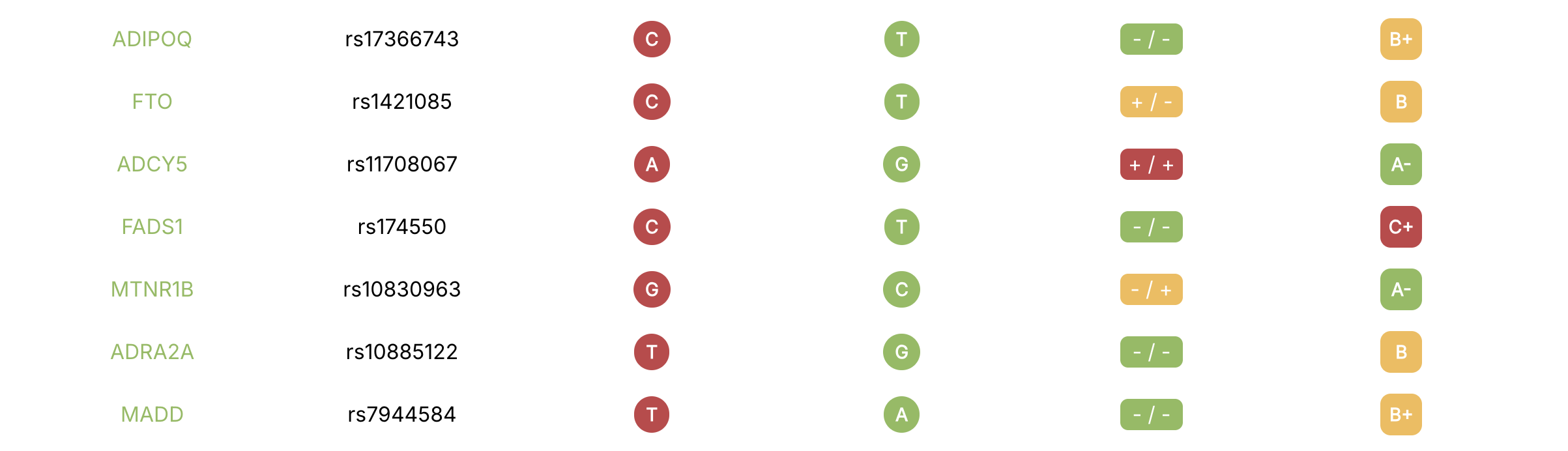
- 1The gene and variant
- 2The user's genotype
- 3The Science Grade for that finding
Scores combine three research cornerstones: health impact, mechanism of action, and clinical benefit. We use the same scale to rate the studies we cite and the products we review. How the Science Grade works →
Early outcomes research: in a 2020 clinic study, participants on a genetically tailored diet maintained significantly more weight loss at 18 months than a ketogenic group (non-randomized). Read the study →
Go deeper on methylation and supplements
See how MTHFR, MTR, MTRR, AHCY, and COMT work together, and which nutrients matter most for you.


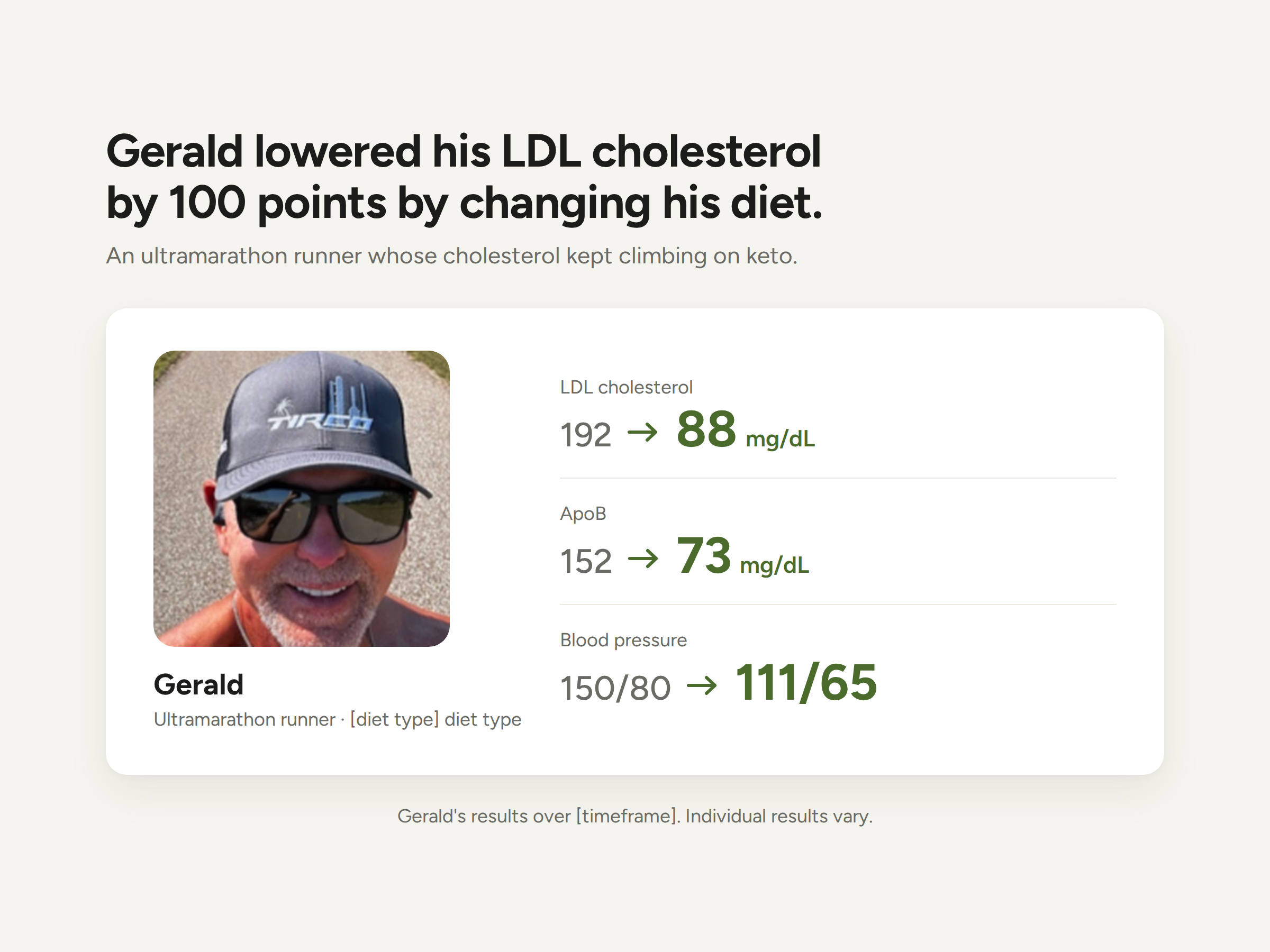
Gerald lowered his LDL cholesterol by 100 points by changing his diet.
Despite serious training, Gerald's cholesterol and blood pressure kept rising and his energy kept dropping on a low-carb keto diet. His Gene Food results suggested his body has a hard time processing saturated fat, a staple of most keto diets. He switched to a Lean Machine plan, leaned back into high quality carbs, and saw his performance take off like never before.
"I finally knew what was causing my health issues." — Gerald
Gerald's results. Individual results vary.
End the confusion. Learn your heart healthy diet type.
West Angeleno
Healthy fats from whole foods, whole grains, fresh over leftovers, and two plant-based days a week.
Low carb, high fat
Wayoan
Plant-based and low-fat. Meat as a condiment, most dairy out, calories from complex carbs, wild fish for protein.
Macrobiotic template
Lean Machine
Whole grains and plant fats, no dairy, protein mostly from plants with wild fish to hold muscle.
Whole grains, plant fats
Villager
Low-fat, whole-food and plant-based. No oil, fresh over aged foods, calories from complex carbohydrates.
Low glycemic, low fat
Okinawan
Fiber-rich complex carbs make up most calories; saturated fat kept low, no seed oils, animal protein as a condiment.
High carb, very low fat
Vegetarian
Plants first with fish in the rotation. Complex carbs for calories, olive oil only, fresh foods to keep histamine down.
High carb, low fat
Urban Grazer
Robust genes, few restrictions. Whole grains, healthy fats, plant proteins, no dairy or processed meat.
Balanced, few limits
Hunter Gatherer
Omega-3s over saturated fat, low-glycemic carbs, mostly plant protein, and fresh foods to keep histamine in check.
Low glycemic, higher protein
Frequently asked questions

Your data, your control
We never sell your genetic data. Testing runs in a CLIA-certified lab. Research participation is opt-in and separate — nothing is shared unless you say so. Delete your data permanently at any time, on request.